

Why wrinkles, deck movement and moisture deserve inspection before a surface-only shingle repair.
A raised line across shingles is a symptom, not a complete diagnosis. Ask what is moving beneath the surface before approving a cosmetic repair.
What the Atlas bulletin identifies
Atlas describes several possible contributors to buckling: exposed decking absorbing moisture during reroofing, moisture-related wrinkles in felt, inadequate ventilation and insufficient spacing between wood panels. These mechanisms can push movement through to the shingles above.
The bulletin discusses correcting the underlying condition and replacing affected shingles when needed. It does not establish that every wavy roof has the same cause.
Make the inspection easy to follow
Map it: Ask for a wide photograph showing the raised area on the roof.
Document it: Request close views and a written explanation of what was found.
Separate the layers: Have the proposed scope distinguish shingle work, underlayment work and deck repairs.
Record the correction: Keep progress photographs before the repaired area is concealed.
Questions that make estimates clearer
What evidence supports the proposed cause?
Will the work address only the visible shingles or the underlying condition too?
What additional findings would change the scope or price?
Ventilation changes need to suit the actual attic assembly. A recommendation for a conventional vented attic should not be copied into a designed unvented roof without review.
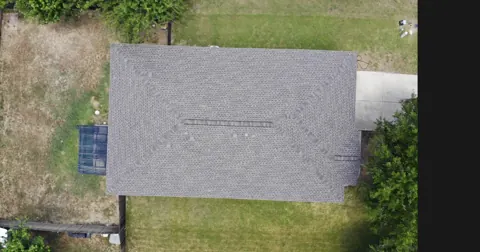
The cover is a completed roof example, not a photograph diagnosing buckling. A property-specific inspection is needed to explain a visible roof irregularity.
Related guide
Explore the connected roof detail
Manufacturer references
Atlas: Facts About Buckled Shingles (January 2016).
Prepared by Barnes N’ Roofs. Technical sources reviewed October 14, 2026. Manufacturer requirements vary by product; this homeowner overview does not replace current installation instructions or applicable local requirements. Project photography is illustrative and does not establish the shingle brand or a concealed condition.