

Understand delayed sealing, careful handling and manufacturer-specific hand-sealing instructions during cold-weather roofing.
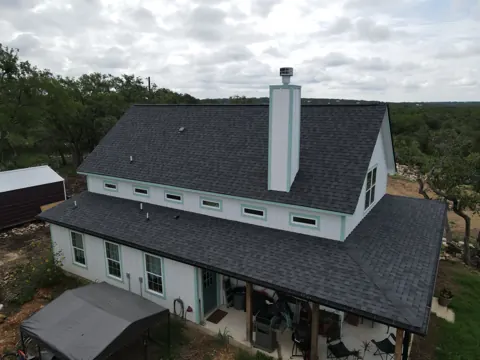
A roof can be nailed in place before its adhesive strips have bonded. In cold weather, those are two different milestones worth discussing with your contractor.
Owens Corning: watch air and roof-surface temperatures
The April 2026 bulletin addresses installation at or below 40°F. Cold conditions can delay shingle sealing and flattening. Sunshine, roof orientation, slope and temperature influence how quickly the seal develops. Its instructions call for hand-sealing perimeter shingles and specify methods for different shingle types.
IKO: handling also matters
IKO's R52 bulletin warns that shingles become more brittle around 50°F and below. It emphasizes careful handling, avoiding bending or dropping bundles, and proper nail placement. It recommends hand-sealing when there is not enough suitable weather for normal sealing before winter.
These are not interchangeable temperature rules
The two bulletins discuss different conditions and procedures. Neither temperature should be presented as a universal cutoff for every brand. The current wrapper instructions for the exact shingle remain essential. Both manufacturers warn against excessive roofing cement because it can cause problems such as blistering.
Questions before a cold-weather installation
What are the expected roof-surface conditions during the work?
Which areas will be hand-sealed, using which approved material and pattern?
Who checks for unsealed or lifted shingles afterward?
What conditions would cause the crew to postpone work?
Ask for the product-specific plan in your job record. A photograph of a finished roof cannot confirm whether its seal strips have bonded.
Related guide
Explore the connected roof detail
Manufacturer references
Owens Corning: Cold Weather Shingle Installation (April 2026).
IKO R52: Installing Shingles in Cold Weather (August 2012).
Prepared by Barnes N’ Roofs. Technical sources reviewed October 14, 2026. Manufacturer requirements vary by product; this homeowner overview does not replace current installation instructions or applicable local requirements. Project photography is illustrative and does not establish the shingle brand or a concealed condition.